
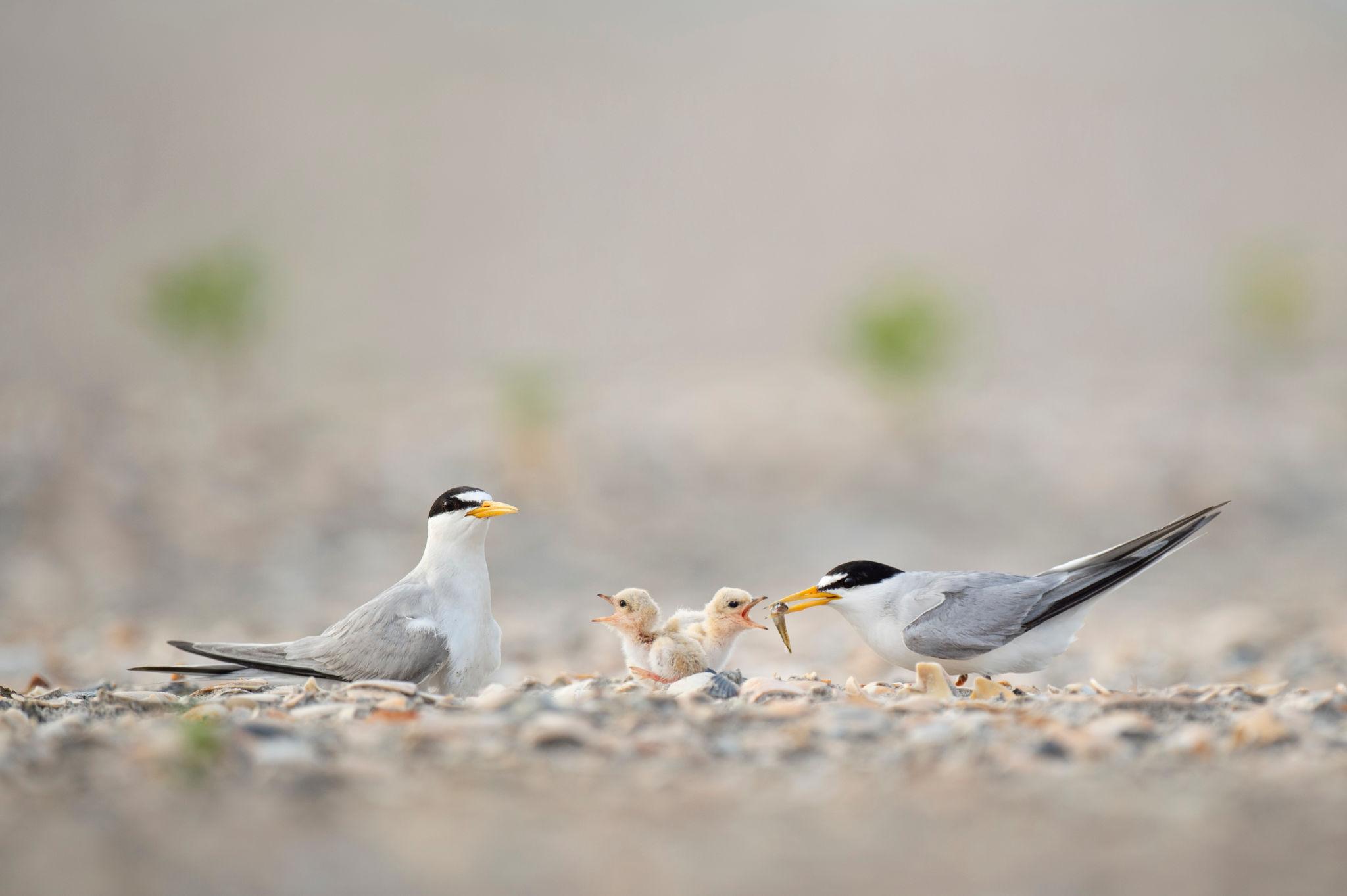
Least Tern parents feeding their chicks on the beach.
About the Shorebird Steward Program
The South Florida Audubon Society (SFAS) works to protect birds and their habitats through conservation, education, and community engagement across South Florida.
Through our Shorebird Steward Program, volunteers help protect beach-nesting birds by monitoring nesting areas, educating beach visitors, and promoting responsible recreation on our beaches.
SFAS works in partnership with the Florida Shorebird Alliance, local governments, conservation organizations, and community volunteers to help safeguard nesting shorebirds and restore the coastal habitats they depend on.
In addition to stewardship efforts, SFAS is also working to restore coastal dune habitat through native plantings, helping strengthen beach ecosystems that support shorebirds and other wildlife.
Together, these efforts help ensure that South Florida’s beaches remain safe nesting areas for shorebirds and healthy ecosystems for future generations.
Protecting Shorebirds on Our Beaches
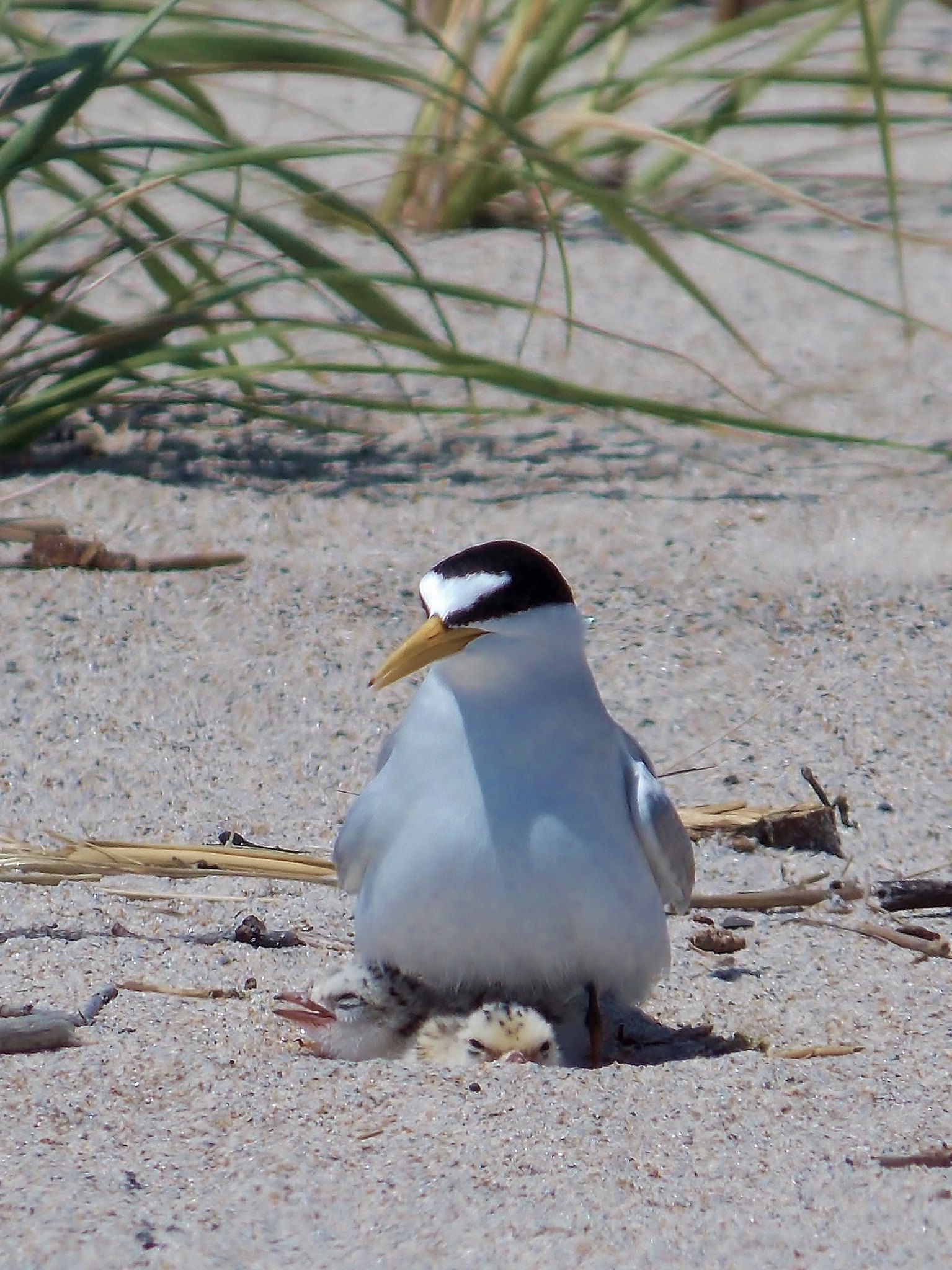
Many shorebirds and seabirds depend on South Florida’s sandy beaches to nest, feed, and rest. Species such as Least Terns, Black Skimmers, Wilson’s Plovers, and Snowy Plovers lay their eggs directly on the sand, making their nests extremely vulnerable to disturbance.
One of the greatest threats to beach-nesting birds is unintentional disturbance from people, pets, and vehicles. When birds are repeatedly disturbed, they may abandon nests, leaving eggs and chicks exposed to predators and the harsh coastal environment.
Because these nests can be difficult to see, signs and fencing alone are often not enough to protect them. That’s where Shorebird Stewards play an essential role.
By helping monitor nesting areas and educate beach visitors, volunteers play an important role in protecting these vulnerable birds during the nesting season.
What Do Shorebird Stewards Do?
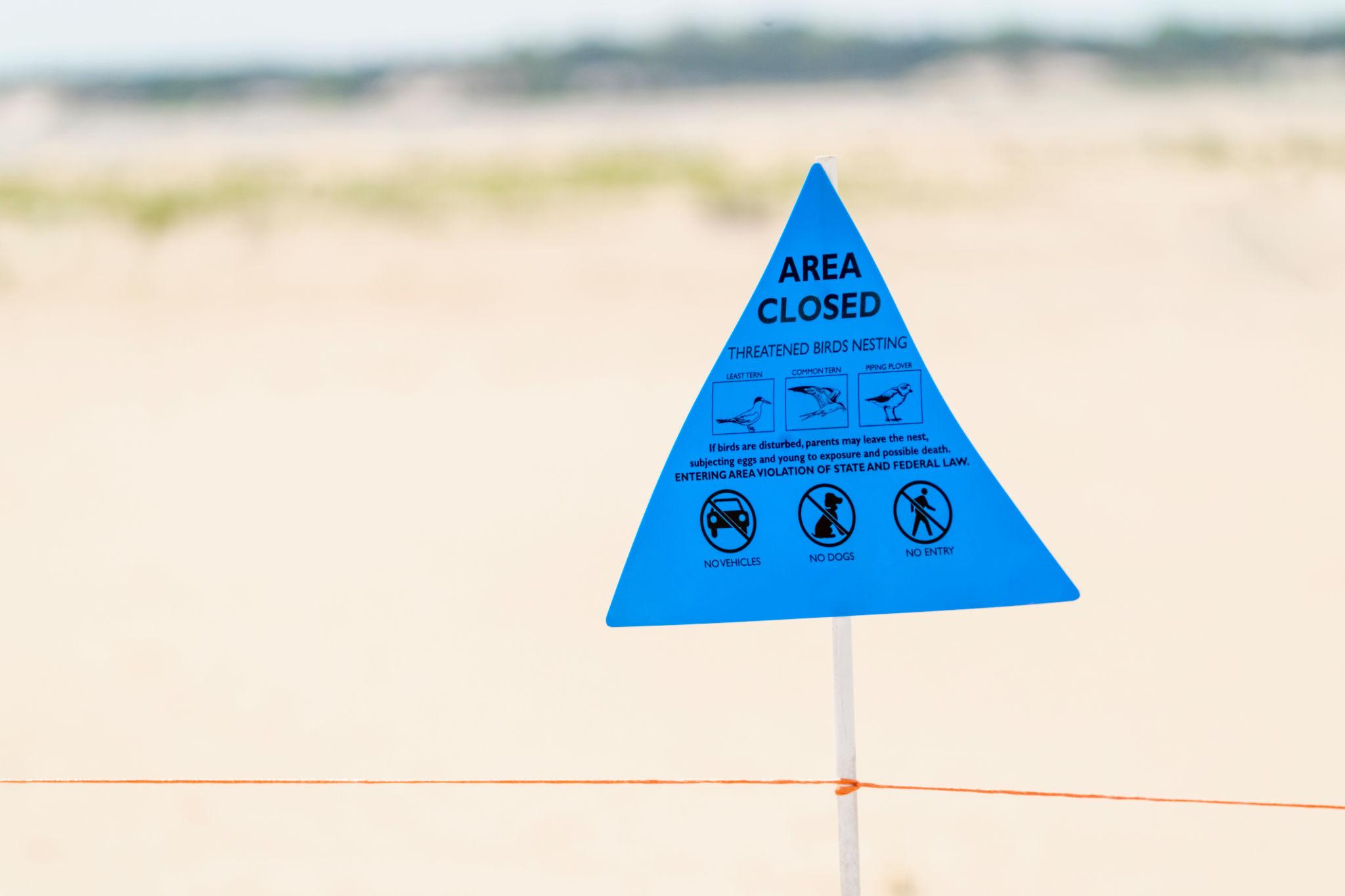
Temporary fencing and signage help protect nesting shorebirds by alerting beach visitors to sensitive nesting areas.
Shorebird Stewards are trained volunteers who help protect nesting birds during the breeding season.
While on the beach, stewards focus on two important tasks:
Protecting Birds
Stewards help minimize disturbance to nesting birds by:
- Monitoring nesting areas and colonies
- Observing bird behavior and chick activity
- Helping beach visitors understand how to avoid disturbing birds
Public Outreach and Education
Stewards serve as friendly ambassadors for wildlife, helping visitors understand how small actions can make a big difference for coastal birds.
This may include:
- Explaining why birds nest directly on the sand
- Answering questions from beach visitors
- Encouraging people to give nesting birds space
The goal of the program is not enforcement, but education and awareness. When people understand what the birds are doing and why they are vulnerable, most are happy to help protect them.
When Stewarding Happens
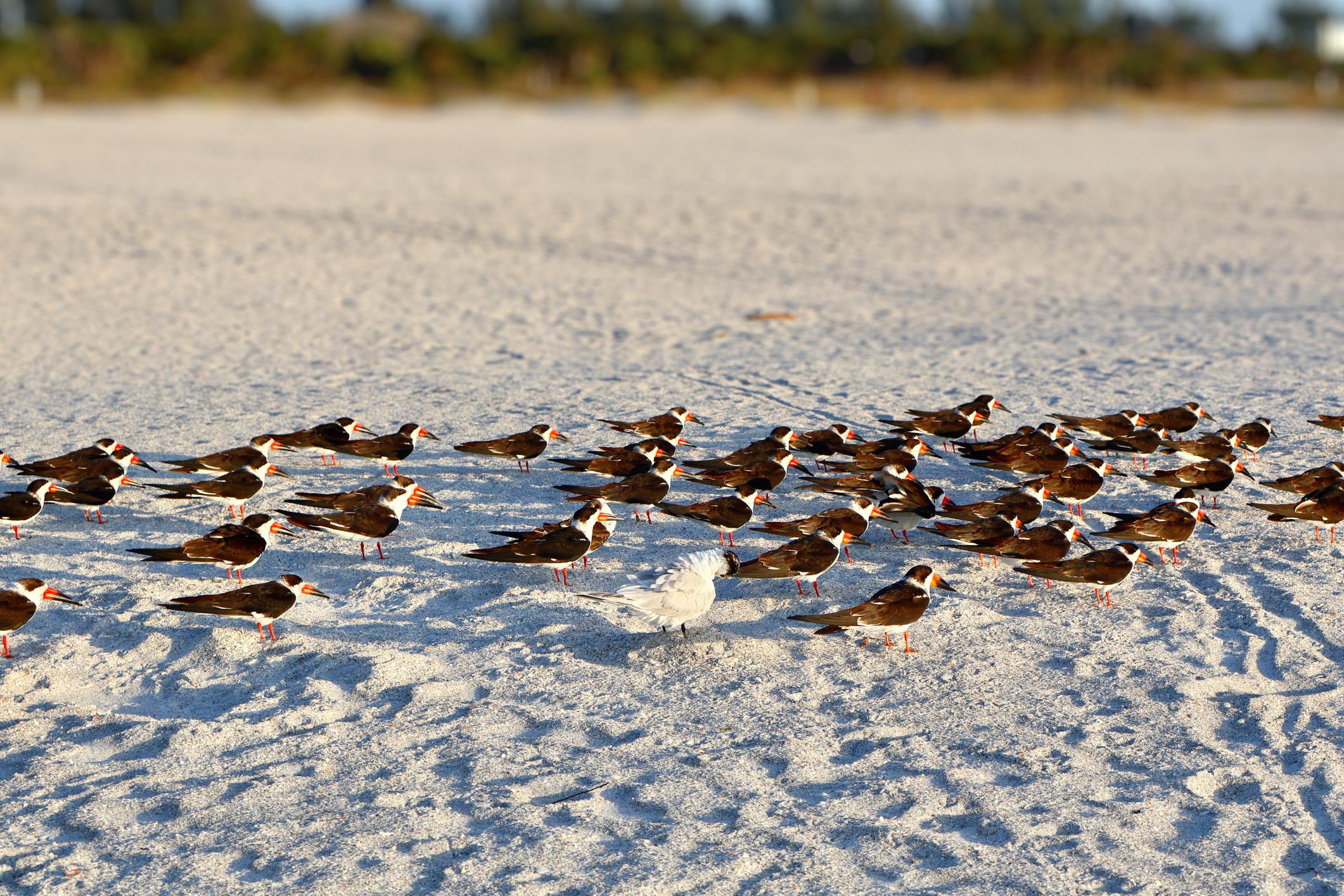
Many shorebirds nest in colonies on open sandy beaches during the spring and summer nesting season.
Shorebird nesting season in South Florida typically runs from March through September, although timing can vary depending on the species.
Stewarding usually begins after nests or colonies are located and marked by trained biologists. Volunteers then help monitor the area and speak with beachgoers.
The greatest need for volunteers is often on:
- Weekends
- Holidays
- Busy beach days
However, stewardship can take place any time nesting birds are present.
Even a few hours of volunteer time can make a meaningful difference in protecting nesting birds.
Our Partnership with the Florida Shorebird Alliance
The South Florida Audubon Society works in partnership with the Florida Shorebird Alliance, a statewide network of organizations dedicated to protecting Florida’s beach-nesting birds.
The Florida Shorebird Alliance coordinates monitoring, conservation efforts, and volunteer stewardship programs across the state to help protect vulnerable shorebird populations.
Through this partnership, SFAS contributes to regional conservation efforts by:
- Assisting with shorebird stewardship and monitoring
- Helping educate beach visitors about nesting birds
- Supporting habitat protection efforts
- Collaborating with scientists, conservation organizations, and local governments
Working together with partners across Florida helps ensure that shorebirds and their nesting sites receive the protection they need during the breeding season.
Restoring Coastal Habitat
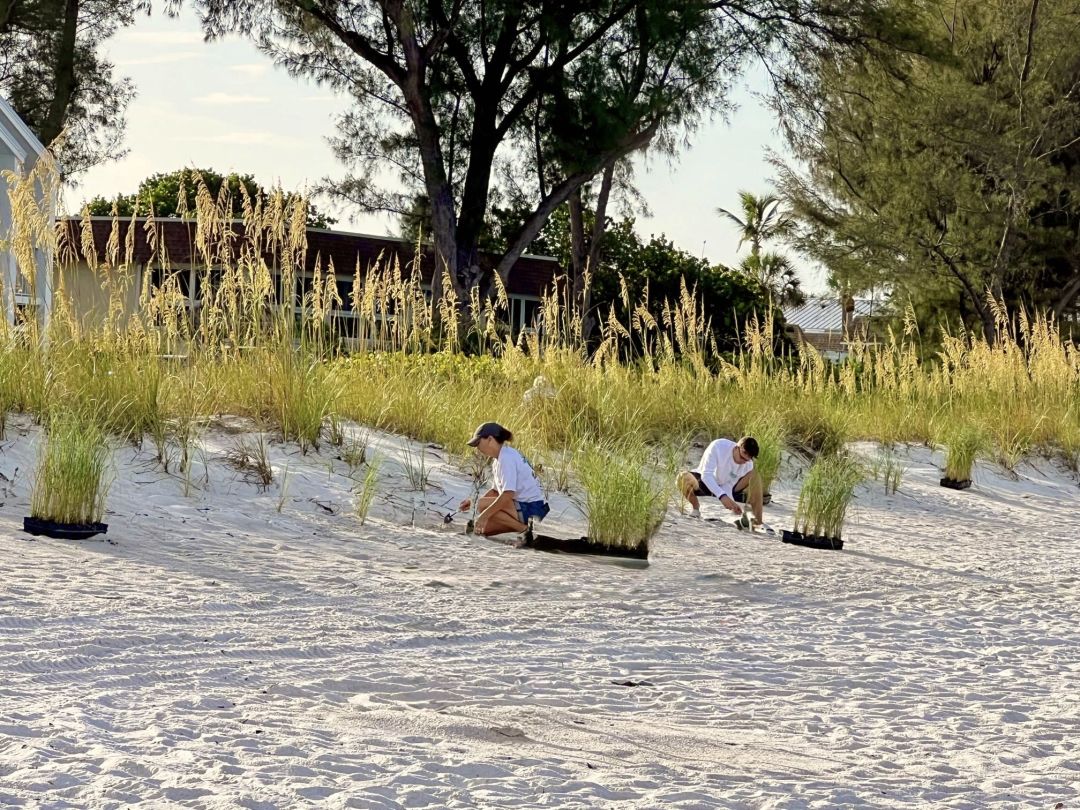
In addition to protecting nesting birds, the South Florida Audubon Society is actively working to restore coastal habitat by planting native dune vegetation.
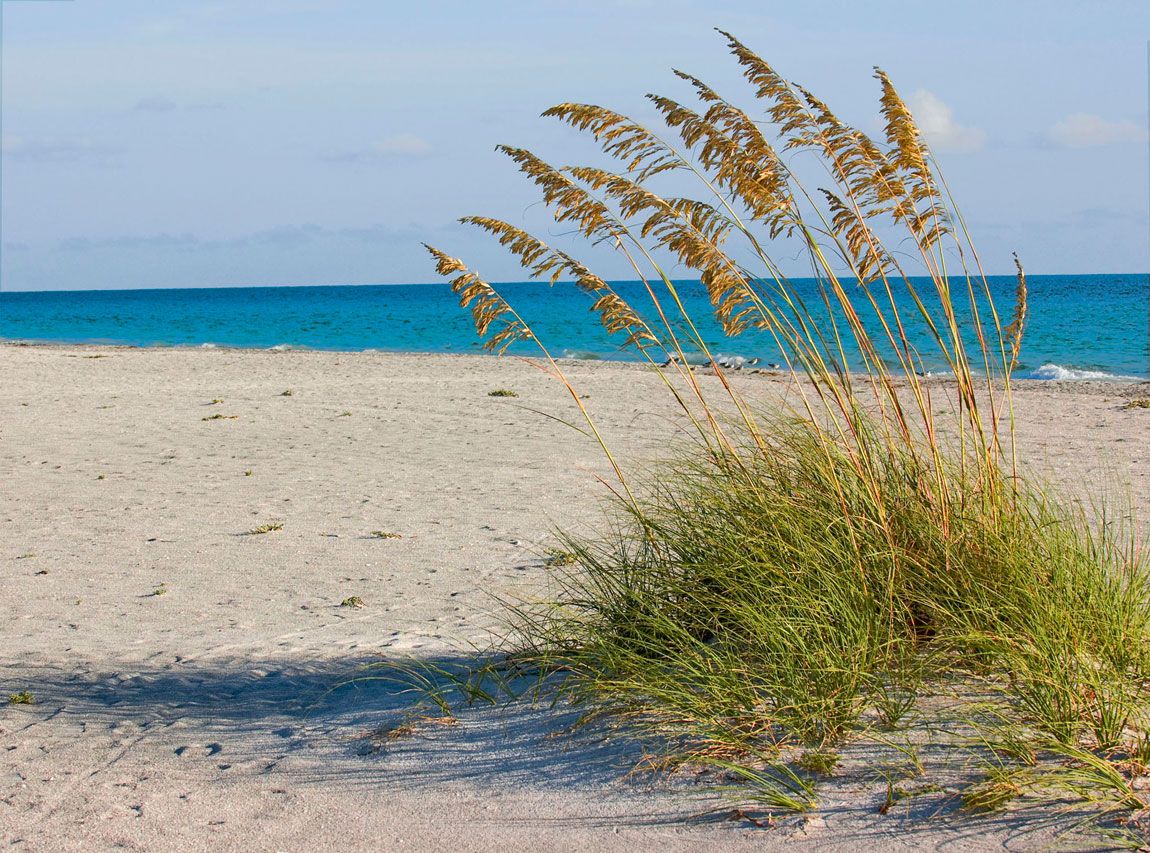
Healthy dune systems play an important role in supporting shorebirds and coastal ecosystems. Native dune plants help:
- Stabilize sand and reduce erosion
- Create natural nesting areas for beach-nesting birds
- Provide shelter for chicks from wind and predators
- Improve the resilience of coastal ecosystems
Through volunteer planting events and partnerships with local governments and conservation organizations, SFAS is helping restore native dune habitat along South Florida’s coast.
These restoration efforts not only benefit shorebirds but also strengthen coastal landscapes that help protect communities from storms and sea-level rise.
By combining habitat restoration with community stewardship, SFAS is working to create healthier beaches for both wildlife and people.
Get Involved
The South Florida Audubon Society is always looking for volunteers to help protect beach-nesting birds and restore coastal habitat.
Volunteer opportunities include:
- Shorebird stewardship
- Dune planting and habitat restoration
- Community outreach and education events
Whether you volunteer once during the season or participate regularly, your help makes a real difference for wildlife and coastal ecosystems.
Interested in becoming a Shorebird Steward or joining a dune planting event?