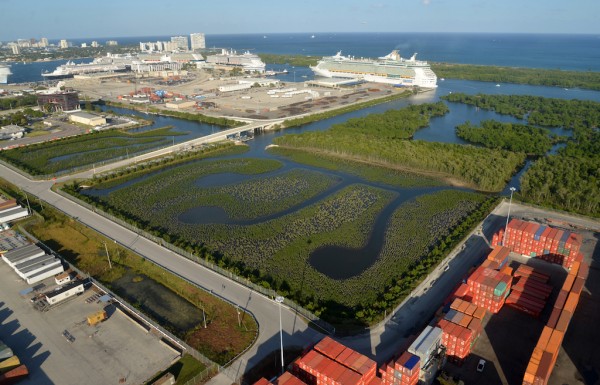
Coastal Habitat
Mangroves & Wetlands
Mangrove and wetland habitats provide nursery areas for marine life, foraging and roosting habitat for birds, shoreline stabilization, and important ecological functions within the estuary.

Protecting mangroves, wetlands, birds, and other wildlife within one of South Florida’s most important working waterfronts.
SFAS’s work connected with Port Everglades reflects an important conservation principle: major infrastructure and ecological stewardship must be planned together. Mangroves, wetlands, estuarine habitat, and wildlife corridors remain valuable even within a highly developed port environment.
Coastal Habitat
Mangrove and wetland habitats provide nursery areas for marine life, foraging and roosting habitat for birds, shoreline stabilization, and important ecological functions within the estuary.
Long-Term Stewardship
SFAS’s role has emphasized habitat protection, ecological monitoring, environmental review, education, and advocacy for conservation alongside port operations and development.
Protect and improve mangroves, wetlands, and other habitats important to birds and coastal wildlife.
Support observation and documentation of birds, wildlife, and ecological conditions.
Bring conservation considerations into planning, restoration, mitigation, and long-term management discussions.
Port Everglades sits within a heavily urbanized coastal landscape. Remaining natural and restored habitat can provide disproportionately important refuge for wildlife moving through or living within the region.
Effective stewardship requires cooperation among port managers, government agencies, scientists, conservation organizations, and the community.
SFAS will continue supporting science-based conservation, responsible habitat management, and opportunities to improve ecological resilience within and around the port.
Protecting South Florida’s ecosystems means working in natural areas, neighborhoods, beaches, and major infrastructure landscapes alike.
Primary contact form, suitable for use on the contact template or the footer.