Urban Habitat
Native Plants for Wildlife
Native trees, shrubs, grasses, and flowering plants can provide food, shelter, nesting material, and host plants while reducing reliance on high-input landscaping.

Supporting native plants, birds, butterflies, and community stewardship in Wilton Manors.
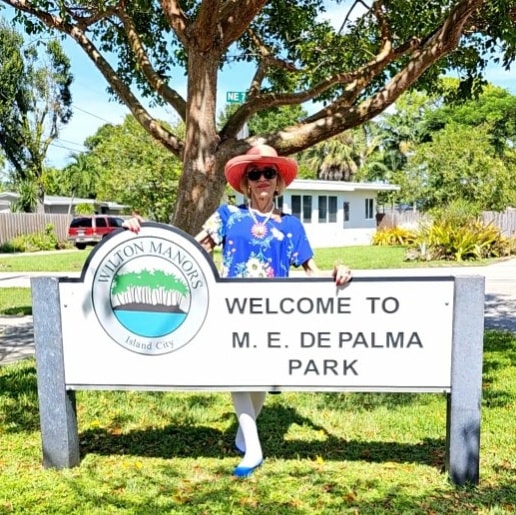
M.E. DePalma Bird & Butterfly Park demonstrates how small urban green spaces can provide meaningful habitat for birds, butterflies, pollinators, and people.
Urban Habitat
Native trees, shrubs, grasses, and flowering plants can provide food, shelter, nesting material, and host plants while reducing reliance on high-input landscaping.
Community Stewardship
The park shows how urban spaces can become more useful to wildlife when habitat value is designed into the landscape. It also creates opportunities for environmental education and hands-on stewardship.
Diverse vegetation provides cover, foraging opportunities, and seasonal resources for resident and migratory birds.
Native nectar and host plants can support butterflies through multiple life stages.
Demonstration landscapes help residents see how wildlife-friendly planting can be adapted at home.
SFAS has supported habitat improvement through fundraising, native plant acquisition, volunteer participation, and conservation expertise. The work reflects a broader SFAS goal: improving habitat where people live, work, and gather.
You do not need a large property to help birds and pollinators. Native plants, reduced pesticide use, water, shelter, and layered vegetation can turn yards, balconies, schools, and community spaces into better habitat.
Help SFAS continue creating and restoring bird-friendly habitat across South Florida.
Primary contact form, suitable for use on the contact template or the footer.